
Taproom and Cellar-Door Insurance: Risks Behind the Customer Experience
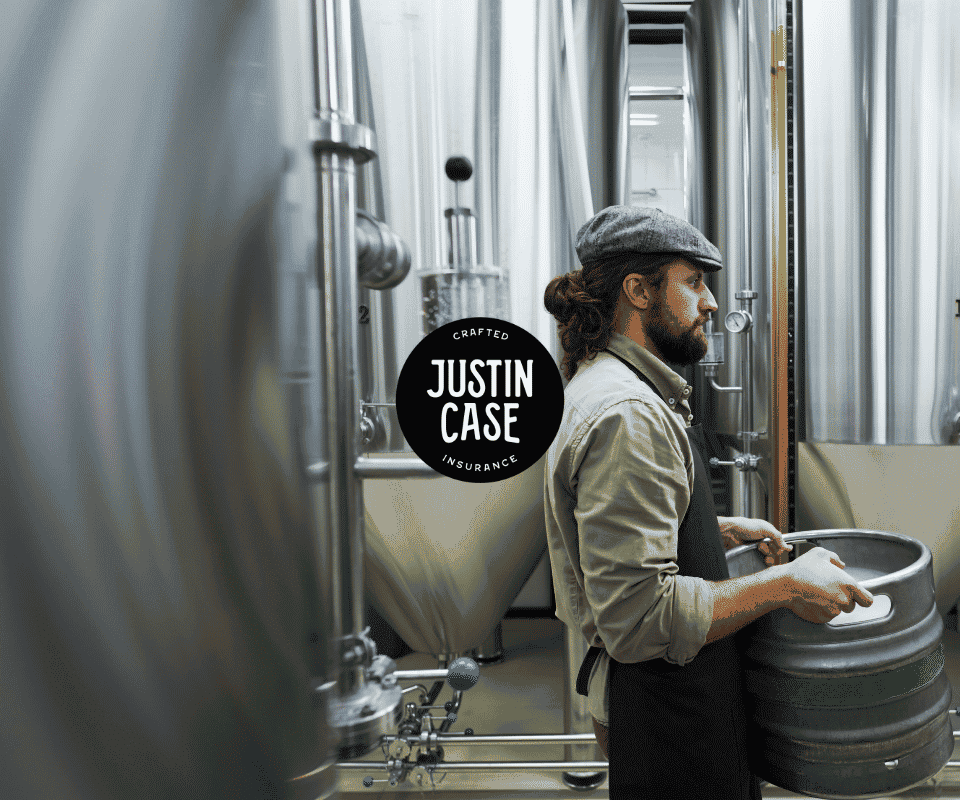
A taproom or cellar door can turn a production site into the heart of a local community.
Customers can meet the people behind the product, taste something new and see where it was made. For a brewery or distillery, that direct relationship can build loyalty and create an important revenue stream.
It also changes the risk profile of the site.
The moment visitors enter, a working manufacturing environment becomes a hospitality venue as well. Wet floors, hot surfaces, pressure systems, forklifts, hoses, chemicals and production schedules may now sit only a doorway away from customers, children, suppliers and function guests.
Taproom and cellar-door insurance is not one standard policy with one standard response. It is a practical review of how the operation manufactures, serves, hosts and sells, followed by an insurance program that reflects those activities.
One Site, Two Very Different Operations
A brewery taproom or distillery cellar door combines two operating worlds.
The production side may include:
-
tanks, stills, boilers and pressure equipment;
-
forklifts, pallet movements and deliveries;
-
hot liquids, steam and cleaning chemicals;
-
carbon dioxide and other gases;
-
wet floors, hoses and drainage;
-
refrigeration, pumps and electrical equipment;
-
packaged and bulk stock.
The visitor side may include:
-
alcohol service and tastings;
-
food preparation or food trucks;
-
tours through or beside production areas;
-
children, older visitors and people with reduced mobility;
-
live music, private functions and ticketed events;
-
outdoor seating, temporary furniture and queueing areas;
-
cash, point-of-sale systems and customer information.
Each activity can affect safety controls, staffing, licence conditions and insurance. The first task is to describe what the business actually does, rather than relying on a label such as brewery, distillery, or hospitality venue.
Start With the Visitor Journey
Walk the site as if you have never seen it before.
Begin at the car park or footpath. Follow the route to the entrance, bar, toilets, outdoor areas and exits. If tours are offered, walk the full tour path while production is operating.
Look for points where the customer journey crosses the working site:
-
delivery vehicles reversing near the entrance;
-
forklifts moving between storage and production;
-
hoses, leads or uneven surfaces across walkways;
-
wet floors around the bar, amenities or production viewing area;
-
unsecured doors into plant rooms, loading areas or chemical storage;
-
low lighting on steps, ramps or outdoor paths;
-
furniture or queues obstructing an exit;
-
children able to move away from supervised visitor areas;
-
glassware used near production or outdoor activity zones.
Safe Work Australia identifies floor design, lighting, drainage, storage, cleaning and prompt spill management as important controls for slips, trips and falls. Those controls matter to workers and can also improve the customer environment.
A painted line or small sign is not always enough. Where the consequence of entering a production area is serious, consider whether a physical barrier, controlled door, host, changed route or production pause is more appropriate.
Keep Customers Out of the Production Zone
Customers are interested in the equipment. That is part of the experience.
However, a production floor is not a standard hospitality space. Visitors may not recognise the hazards created by moving plant, hot pipework, pressurised systems, cleaning cycles, gas, wet surfaces or active deliveries.
Practical controls may include:
-
a clearly defined visitor route;
-
physical separation from operating plant;
-
locked or access-controlled production doors;
-
scheduled tours led by an authorised team member;
-
limits on group size;
-
a short safety briefing before a tour;
-
suitable footwear and other controls where required by the site assessment;
-
pausing incompatible activities during tours;
-
documented rules for children and assistance animals;
-
a process for cancelling or rerouting a tour when conditions change.
The right controls will depend on the site. A purpose-built viewing platform is different from walking guests through an active packaging area.
Alcohol Service Adds Another Layer
Liquor licensing and responsible service requirements differ across Australia. The licences, permits, training and conditions required depend on the state or territory, local area, activities, trading hours and venue model.
The venue should have a clear system for:
-
confirming which licence or permit applies;
-
monitoring licence conditions and approved trading hours;
-
ensuring required staff training remains current;
-
checking identification and managing minors;
-
refusing service and handling intoxicated or aggressive patrons;
-
recording relevant incidents;
-
arranging safe escalation and security support;
-
managing tastings, take-away sales and private functions;
-
reviewing promotions and special events before they are advertised.
These are operational and regulatory matters, but they can also affect insurance. A broker needs an accurate description of how alcohol is served, the venue’s hours, patron capacity, entertainment, security and event activity.
Do not assume that a general public liability section automatically addresses every allegation connected with alcohol service. The wording, activities declared, exclusions, endorsements, limits and applicable law all matter.
Casual Staff Need More Than a Quick Tour of the Bar
November often brings new casuals, extra shifts and function staff.
Safe Work Australia says new workers should receive induction and workplace safety training before they start work. The induction should cover relevant hazards, safe work procedures, emergency arrangements and where to find first aid support. Workers should also demonstrate that they understand the training.
For a taproom or cellar door, induction may need to cover:
-
the boundary between customer and production areas;
-
spill response and wet-floor controls;
-
manual handling of kegs, cartons and furniture;
-
broken glass and sharps procedures;
-
responsible service and refusal escalation;
-
aggressive or unsafe patron behaviour;
-
food safety responsibilities where relevant;
-
emergency exits, assembly points and wardens;
-
first aid and incident reporting;
-
who can approve changes to a function layout or capacity.
Record the induction and refresh it when duties, layouts or procedures change. A worker who knows how to pour a beer may still be unfamiliar with the hazards of a live production site.
Private Functions Can Change the Declared Risk
A normal Saturday service and a 150-person Christmas function are not the same operating scenario.
Private functions may introduce:
-
larger or differently distributed crowds;
-
temporary bars, stages, lighting or marquees;
-
live music, amplified sound and dancing;
-
external caterers, security, performers or equipment suppliers;
-
changed furniture layouts and blocked sightlines;
-
longer hours or areas not normally open to customers;
-
ticketing, deposits and contractual obligations;
-
extra electrical loads and temporary leads;
-
new food, glassware or waste arrangements.
Before accepting a function, check the venue’s approved capacity, licence conditions, emergency plan, staffing, contractor controls and insurance arrangements. Review contracts carefully, particularly indemnities, insurance requirements, cancellation provisions and responsibility for third-party equipment.
If the business also pours at festivals or pop-up events away from the insured premises, read Crafted Insurance’s guide to public liability and festival extensions. Off-site activity may need separate consideration from the normal on-premises operation.
Emergency Plans Must Work With a Full Venue
An emergency plan written for ten production workers may not work for a busy venue full of visitors.
Safe Work Australia says workplaces must have, maintain and test an emergency plan and train workers in the relevant procedures. The plan should reflect the workplace, the hazards and the people who may be present.
For a taproom or cellar door, ask:
-
Can staff stop service and take control of the room?
-
Are exits visible and usable in every function layout?
-
Who calls emergency services?
-
Who checks toilets, outdoor areas and tour spaces?
-
How will visitors with mobility or communication needs be assisted?
-
Where will patrons assemble without entering traffic or production areas?
-
Can production equipment be made safe without delaying evacuation?
-
Are emergency contacts and first aid arrangements current?
Test the plan during realistic trading conditions, not only when the venue is empty.
Record the Small Incidents as Well as the Serious Ones
An incident register is not only for major injuries.
Recording near misses, spills, aggressive behaviour, first aid, damaged furniture, unauthorised access and recurring complaints can reveal patterns before a more serious event occurs.
Useful records may include:
-
date, time and exact location;
-
people involved and witness details;
-
photographs or CCTV references where lawfully available;
-
what was happening immediately before the incident;
-
first aid or other response provided;
-
equipment, flooring, furniture or signage involved;
-
corrective action taken;
-
whether the broker or insurer was notified.
Preserve relevant evidence and notify the broker promptly where an incident may lead to a claim. Privacy obligations and surveillance laws should be considered when collecting, storing and using personal information or footage.
Which Insurance Areas Should Be Reviewed?
The right program depends on the activities, assets, people and policy wordings involved. A review may consider the following areas.
Public and products liability
Public liability is generally designed to respond to certain legal liabilities for third-party personal injury or property damage, subject to the policy. Products liability concerns injury or damage connected with products supplied. The definitions, insured activities, exclusions, excesses and limits need to match the operation.
Property and stock
The fit-out, bar equipment, furniture, point-of-sale systems, kitchen equipment, glassware and stock should be reflected in the declared values where applicable. Seasonal stock peaks and customer property may need specific consideration.
Business interruption
If insured damage closes the taproom, cellar door or production area, the financial effect may include lost venue revenue, production income and additional costs. Cover depends on the relevant insured trigger, selected sums, indemnity period and policy terms.
Machinery breakdown and deterioration of stock
Refrigeration, cool rooms, glycol systems and other equipment may support both production and hospitality. October’s guide to brewery equipment breakdown insurance explains why the repair bill, affected stock and lost trading time need separate attention once that article is live.
Workers compensation and management exposures
Workers compensation arrangements are governed by the applicable state or territory scheme. Employment practices, work health and safety investigations and management allegations may also warrant discussion with the broker and relevant advisers.
Cyber and crime
Online bookings, customer databases, payment systems and email accounts create cyber and fraud exposures. Review access controls, payment procedures, backups and the information collected from customers.
Events and contractors
Regular entertainment, large functions, security, external catering and hired equipment should be accurately disclosed. Obtain and review contractor agreements and evidence of insurance where appropriate, but do not treat a certificate of currency as a substitute for managing the contractor’s work.
Eight Questions to Ask Before the Summer Rush
-
Do our insurer and broker have an accurate description of the taproom, cellar door, tours, food service, entertainment and functions?
-
Are customer and production areas physically separated where needed?
-
Do our licence, approved hours and venue conditions match how we actually trade?
-
Have all new and casual workers completed the required induction and role-specific training?
-
Does the emergency plan work at full patron capacity?
-
Are declared property, fit-out and seasonal stock values current?
-
Have we checked how the policy treats alcohol-related allegations, events, contractors and off-site activity?
-
Do we know when an incident should be reported to the broker or insurer?
Make the Customer Experience Safer Before It Gets Busier
A great taproom or cellar door should feel relaxed to the customer. That experience depends on careful work behind the scenes.
Clear visitor routes, trained staff, controlled production access, tested emergency arrangements and accurate incident records all help reduce uncertainty. The insurance program should then reflect the operation as it really runs, including its peak-season activities.
If your brewery or distillery has extended its hours, added food, increased capacity, started tours or accepted larger functions, it may be time to review the change.
For specialist advice about risk and insurance for your brewery or distillery, speak with Crafted Insurance.
Has your venue changed since the last insurance review?
Contact Will, Justin, Matt and the Crafted Insurance team for a no-obligation conversation about your taproom, cellar door, visitor areas and summer trading plans.